January 23, 2026
Maintaining the health of a vehicle isn't just about ensuring it looks good, but also about extending its overall lifespan and functionality. Rust and corrosion can have significant effects on a vehicle's performance and safety, making their prevention critical. Local auto body collision shops play an essential role in combating these issues by employing a variety of techniques and technologies designed specifically for rust prevention. Let's take a closer look at how they can help you maintain the longevity of your vehicle.
The Causes of Rust and Corrosion
Common Environmental Factors
Environmental factors play a prominent role in the formation of rust on vehicles. Humid climates, frequent rainfall, and proximity to saline water bodies increase the likelihood of rust development. Local auto body collision shops must consider these factors when assessing the risk of corrosion for vehicles. Vehicles driven in areas with high moisture levels require more rigorous and frequent checks for potential rust issues. Understanding these conditions helps shops provide tailored solutions for cars exposed to such environments.
Different environmental conditions dictate specific preventative measures. For instance, vehicles operated in regions that experience harsh winters are exposed to ice and road salt, making them more prone to rust. Enhancing vehicle protection in these scenarios is crucial. Local auto body collision shops use specialized treatments designed to withstand these unique climate challenges, preventing salt-induced rust formation. Regular maintenance visits to collision shops are advised for vehicles frequently exposed to adverse weather conditions.
Vehicle Vulnerability Areas
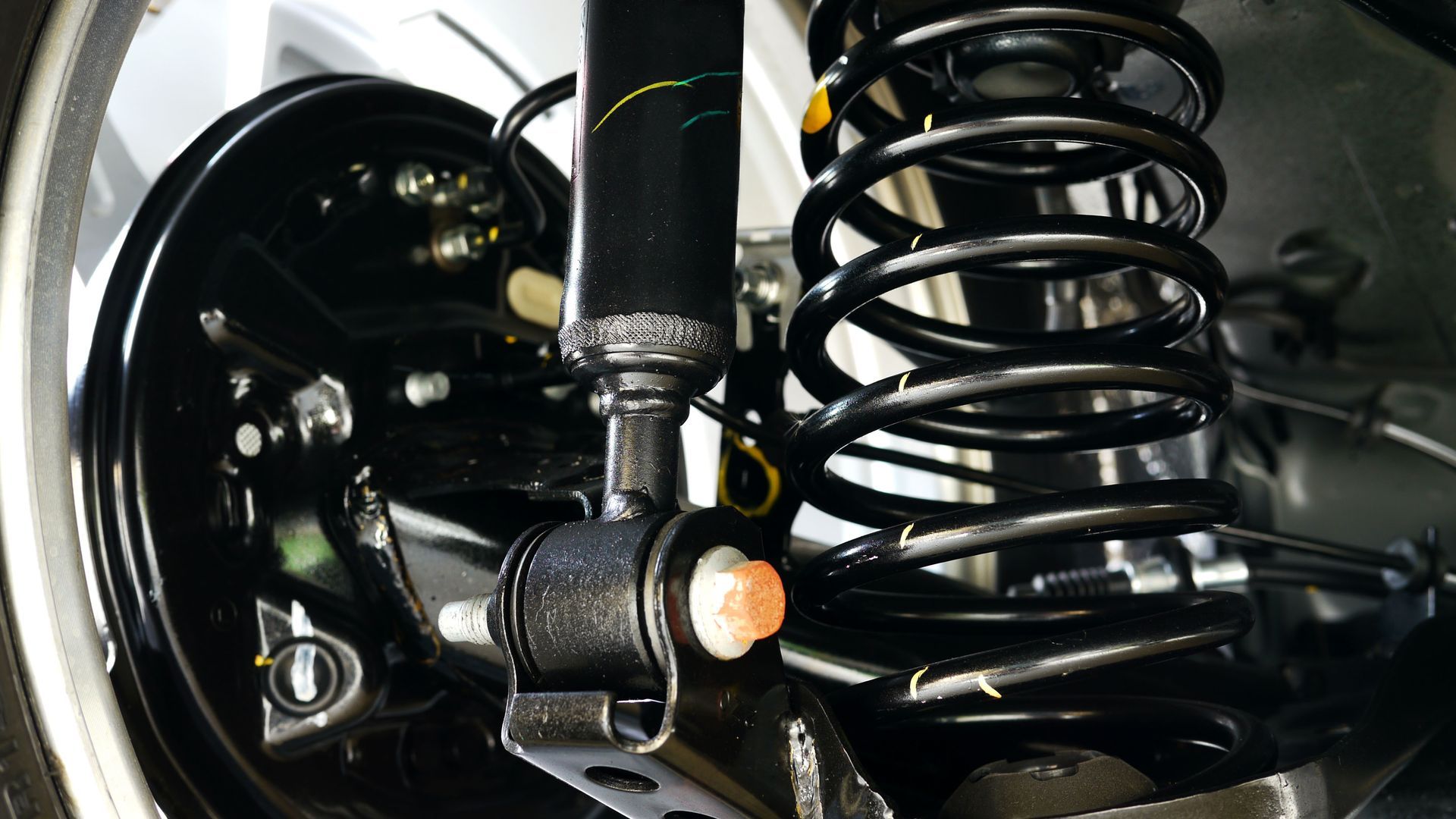
Not all parts of a vehicle are equally susceptible to rust; certain areas are more vulnerable due to design and material exposure. Commonly affected areas include the undercarriage, wheel wells, and certain body panels. Local auto body collision shops prioritize these zones for inspection and treatment to prevent rust formation. Regular checks on these vulnerable parts are essential to maintaining vehicle health and safety. Auto body technicians focus on these spots, providing targeted protective measures.
The design of vehicles often includes hidden areas that can trap moisture and debris, creating ideal conditions for rust to develop undetected. Collision shops are adept at identifying these high-risk zones, enabling them to nip potential issues in the bud. Interventions in these areas often involve applying sealants and rust inhibitors to prolong the vehicle's integrity. By focusing on these zones, auto body shops help prevent broader corrosion problems from arising. This precise attention to detail is an integral part of their preventive strategies.
Impact of Road Salt and Chemicals
Road salt is a notorious catalyst for rust, especially in areas that experience snowy weather. The salt makes roads safer by preventing ice, but it also accelerates the rusting of metal surfaces on vehicles. Local auto body collision shops often see increased rust problems in vehicles from regions where road salt is used extensively. To counteract this, they employ protective undercoating techniques designed to repel salts and other corrosive agents. These treatments are vital for cars that frequently navigate salted roads.
The combination of road salt and moisture creates a highly corrosive environment, targeting metals on vehicles with alarming efficiency. Regular cleaning is one way to mitigate the damaging effects of salt on vehicle bodies. Collision shops encourage owners to wash their cars frequently during the winter months to remove salt residues. Providing guidance on effective cleaning materials and practices, these shops help reduce salt-induced corrosion risks. Regular visits to a trusted shop ensure that protective measures are maintained year-round.
Signs of Early Corrosion
Early detection of rust can save vehicle owners considerable time and expense in preventative maintenance. Common signs of rust include bubbles forming under the paint, visible on the vehicle's exterior surfaces. Collision shops educate vehicle owners on recognizing these early warning signs, encouraging timely intervention. By acting quickly, owners can prevent the spread of rust and other corrosive damage to critical vehicle parts. Prompt action minimizes repair costs and helps preserve vehicle value.
Further indicators of corrosion include a rough texture on metallic parts and a reddish-brown deposit gathering in seams and joints. Regular inspections by collision shops are crucial to catch these early signs before rust progresses. Technicians are skilled in identifying subtle signs of corrosion that might escape an untrained eye. Routine maintenance visits help ensure these indicators are checked systematically. This proactive approach enhances vehicle safety and increases longevity.
Owner awareness of early rust signs is an essential component of effective corrosion management. Local auto body collision shops provide valuable resources and guidance to help owners keep an eye out for these symptoms. Regular maintenance extends the car's overall lifespan by up to 40%, according to the Auto Care Association. This combination of professional oversight and owner vigilance is critical in the fight against rust. Engaging both parties in rust prevention efforts ensures comprehensive vehicle care.
Preventive Measures Employed by Collision Shops
Regular Inspections and Maintenance
Regular inspections are the cornerstone of preventive maintenance in preserving vehicle health. Collision shops perform comprehensive checks to identify potential rust threats before they develop into significant problems. Scheduled maintenance visits enable technicians to monitor susceptible areas, applying treatments when necessary. This approach not only captures issues early but also provides peace of mind for vehicle owners. Routine check-ups translate to tangible benefits, including enhanced safety and longevity.
Collision shops' expertise plays a crucial role in prolonging a vehicle's lifespan. Trained technicians are adept at recognizing even the most subtle signs of rust. Consistent inspections ensure that no potential risks go unnoticed, allowing timely interventions. By maintaining a regular inspection schedule, vehicle owners can avoid more costly repairs in the future. The collaboration between collision shops and owners creates an inclusive framework for rust prevention.
Use of Anti-Rust Treatments
Anti-rust treatments are crucial components in a vehicle's defensive arsenal against corrosion. Local auto body collision shops utilize these treatments to combat and prevent rust effectively. Specialized rust inhibitors are applied to exposed metal surfaces to prevent oxidation and subsequent corrosion. These treatments halt the chemical reaction that leads to rust, protecting vital vehicle components from damage. Implementing anti-rust treatments as part of regular maintenance helps delay the onset of corrosion.
Collision shops are equipped with an array of anti-rust solutions tailored to varying vehicle needs. With technical expertise, they determine the most effective treatments based on a vehicle's age, condition, and exposure risk. These preventative applications protect high-risk areas and extend the vehicle's lifespan. By inhibiting rust progression, these treatments safeguard the vehicle's performance and resale value. This proactive approach forms a critical element of rust prevention strategies employed by collision shops.
Techniques for Addressing Structural Weak Points
Addressing structural weak points is a crucial aspect of protecting vehicles from rust and corrosion. Collision shops are skilled at identifying these vulnerabilities and implementing targeted measures to strengthen them. By reinforcing structural points, shops reduce the likelihood of rust penetration in critical areas. This defensive strategy extends the vehicle's overall durability and prevents more costly repairs down the line. Expert techniques ensure that these vital areas receive adequate protection.
Technicians check vehicles for signs of stress and fatigue around structural components and take action to reinforce them. Techniques range from applying reinforcements to sealing gaps that might trap moisture. These proactive measures are crucial for preventing rust formation in areas where structural integrity is paramount. As collision shops perform these techniques, they fortify vehicles against both immediate and long-term rust risks. Enhancements to weak points help maintain the structural safety of the vehicle.
Rust and corrosion don't happen overnight, but once they take hold, they can quietly undermine a vehicle's safety, performance, and value. From environmental exposure and road salt to hidden moisture traps within a vehicle's design, the causes are varied and often unavoidable. That's why the role of local auto body collision shops like Jeff's Northshore Auto is so important. Through regular inspections, early detection, targeted treatments, and structural reinforcement, these professionals stop minor corrosion issues from turning into major repairs. Reach out to us today to get started with a free next-day estimate!