July 20, 2026
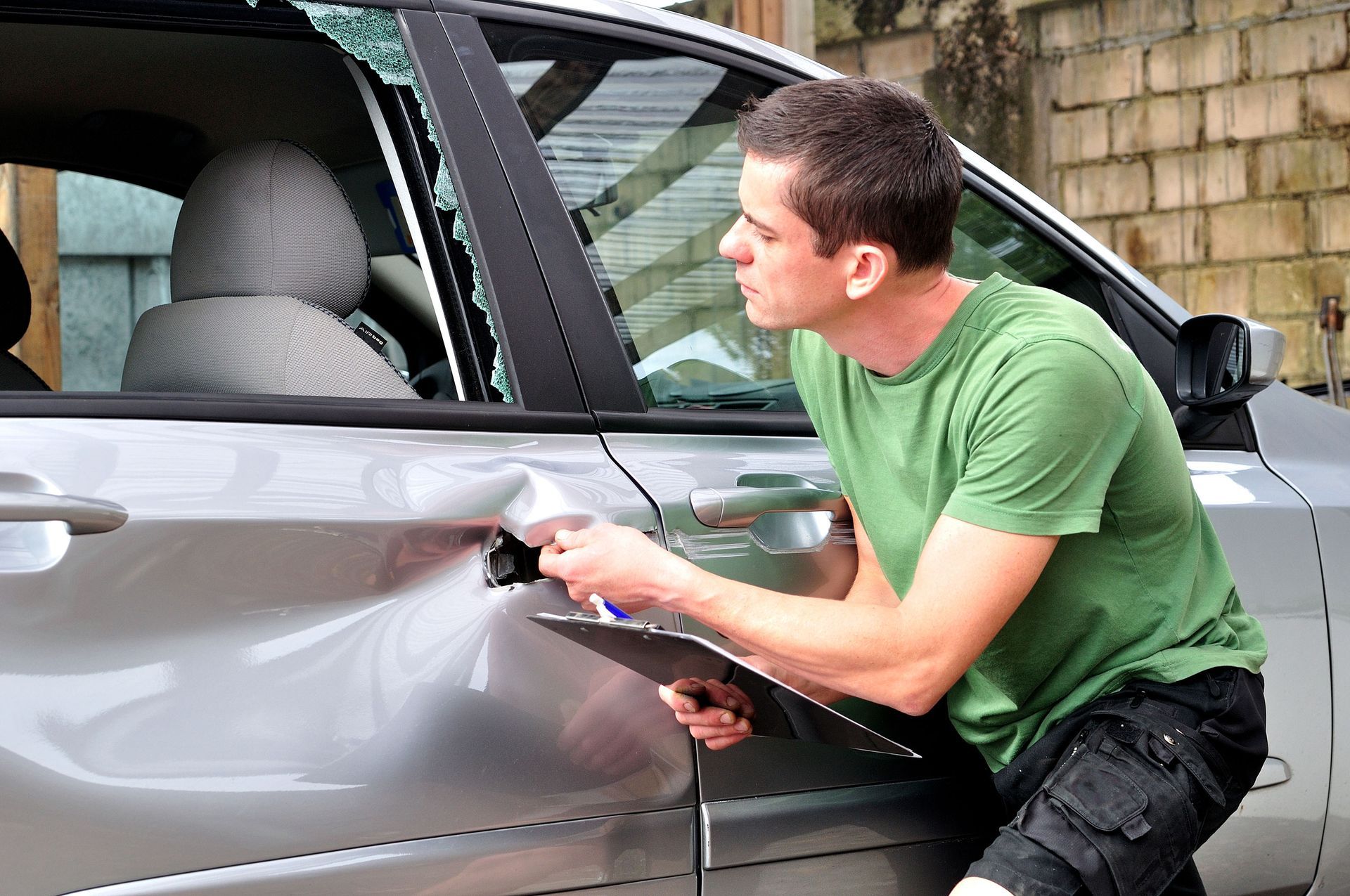
Experiencing a vehicular accident can be an incredibly overwhelming and stressful event, leaving drivers shaken and uncertain of their immediate next steps. In the high-stakes moments directly following a roadway mishap, knowing exactly how to handle scene safety, legal documentation, and the subsequent restoration process is paramount. This comprehensive guide outlines the vital actions every driver should take immediately after an accident and provides clear insight into navigating professional auto collision services. By understanding your consumer rights, identifying structural vehicle damage, and selecting a reputable restoration facility, you can effectively protect your financial investment and ensure your vehicle is returned to safe driving condition. Navigating the complex steps of structural restoration requires calm, deliberate choices to ensure your asset retains its long-term value and personal safety metrics.
Immediate Safety and Scene Management
The absolute priority in the immediate aftermath of any roadway collision is establishing the physical safety of all vehicle occupants and bystanders. If the vehicle is still operational and positioned in a hazardous location, carefully maneuver it to the shoulder of the road or a nearby parking lot to prevent secondary impacts. Once the vehicle is safely out of the flow of active traffic, turn on your hazard lights, engage the parking brake, and shut off the engine completely. Check yourself and your passengers carefully for any signs of physical injury, and dial emergency services immediately if medical intervention or police documentation is required. Remaining composed in these initial moments forms the bedrock of an effective recovery plan.
While waiting for law enforcement officials to arrive on the scene, collect critical information from all involved parties and any eyewitnesses. Exchange full names, contact telephone numbers, insurance provider details, policy numbers, and vehicle license plate descriptions with the other drivers. Use your smartphone camera to capture extensive, high-resolution photographs of the accident scene, including vehicle positions, street signs, skid marks, and the specific damage sustained by all involved vehicles. Avoid discussing fault or apologizing to the other parties at the scene, as statements made in moments of high adrenaline can inadvertently complicate future insurance claims or legal proceedings.
Navigating the Insurance Claims Process
Once the physical scene is stable and an official police report has been filed, contact your insurance provider to initiate the claims process. Provide the representative with a factual account of the incident, sharing the police report number and the scene photographs you captured. Your insurance company will likely assign a claims adjuster to evaluate the monetary scope of the structural damage and determine coverage options. It is highly beneficial to research certified facilities that offer comprehensive auto collision services early in this process to ensure your vehicle is evaluated by specialists who prioritize factory-grade safety restorations over insurance cost-cutting measures.
Many consumers mistakenly believe they are legally required to use the specific drive-in appraisal centers or network repair shops recommended by their insurance company. However, as an independent vehicle owner, you possess the absolute legal right to choose any facility you trust to perform your structural vehicle repairs. Selecting a local facility that specializes in certified auto collision services guarantees that your vehicle will be evaluated using specialized diagnostic tools rather than basic visual estimates. This consumer freedom ensures that your vehicle's structural safety components are restored to precise factory dimensions using uncompromised components.
Understanding the Stages of Structural Restoration
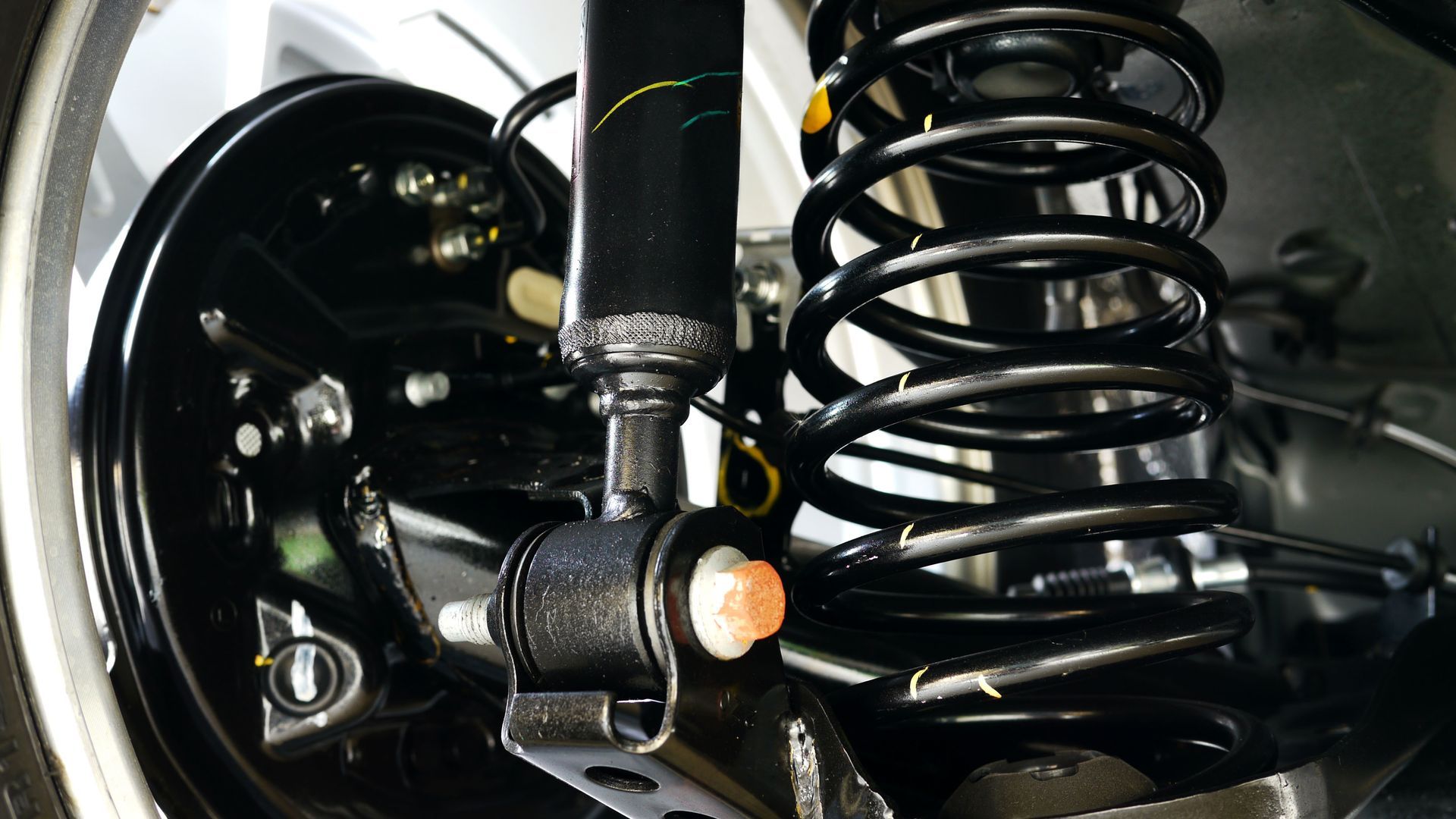
The professional physical restoration process begins with a meticulous teardown and diagnostic routine known in the automotive industry as blueprinting. Modern vehicles are highly sophisticated mechanical systems, and a simple visual inspection is completely inadequate for identifying hidden structural compromises. Technicians utilize advanced computer scanning tools to read error codes from internal modules, identifying hidden electronic and sensor faults. This diagnostic blueprint ensures that every single damaged component, from bent suspension pieces to compromised safety modules, is documented before structural metal work begins.
If an accident involves a severe structural impact, the vehicle's underlying frame or unibody structure will likely require precision realignment. Specialized technicians secure the vehicle chassis onto heavy-duty frame racks equipped with laser measuring systems to pull the distorted metal back into exact factory tolerances. Restoring these foundational structural straightness matrices is critical for ensuring that the vehicle's crumple zones and automated airbag systems will deploy correctly in any future road incidents. Trusting your vehicle to a facility specializing in auto collision services ensures these crucial skeletal realignments are handled with absolute technical precision.
Following frame alignment, technicians shift their focus toward replacing damaged steering assemblies, radiator cores, and electrical wiring harnesses. Modern vehicles integrate advanced driver assistance systems (ADAS), which rely on forward-facing cameras and radar sensors to operate safely. Specialized facilities offering high-end auto collision services meticulously recalibrate these delicate sensors following any body repairs. This intensive calibration step ensures that lane-keep assist and automatic braking systems function seamlessly when the vehicle returns to active highway operation.
The final phase of physical vehicle restoration involves advanced surface preparation and paint application within a controlled downdraft spray booth. Professional painters apply multi-stage coatings, matching your vehicle's factory color code through computerized mixing programs. This rigorous multi-step process requires applying a rust-inhibiting primer, a color-matched base coat, and a durable UV-resistant clear coat to seal the finish against environmental elements. This intensive detailing process ensures that your vehicle's exterior finish is flawlessly restored, completely erasing all visible evidence of the previous roadway impact.
Consumer Vigilance and Accident Prevention
Understanding the primary behavioral causes behind modern roadway accidents can help drivers stay vigilant and avoid the necessity of seeking out major auto collision services. Human error, environmental factors, and variable road conditions continuously challenge modern drivers on their daily commutes.
According to Fortune Business Insights, the AAA reported that driver distraction and inattention contribute 8% to 12% of tow-away crashes. This industry insight emphasizes the true importance of maintaining absolute, undistracted focus behind the wheel at all times. Minimizing electronic distractions can significantly reduce your chances of experiencing a major highway accident.
Sustaining a safe driving record also requires a proactive commitment to ongoing mechanical maintenance. Routinely verifying your tire tread depth, testing your braking responsiveness, and replacing worn windshield wiper blades ensures your vehicle can react effectively during sudden highway emergencies. When drivers couple defensive driving strategies with an uncompromised focus on vehicle readiness, they minimize their reliance on emergency auto collision services. Protecting your automotive asset requires ongoing personal accountability, careful road monitoring, and a solid partnership with local mechanical experts who understand the nuances of modern vehicle electronics.
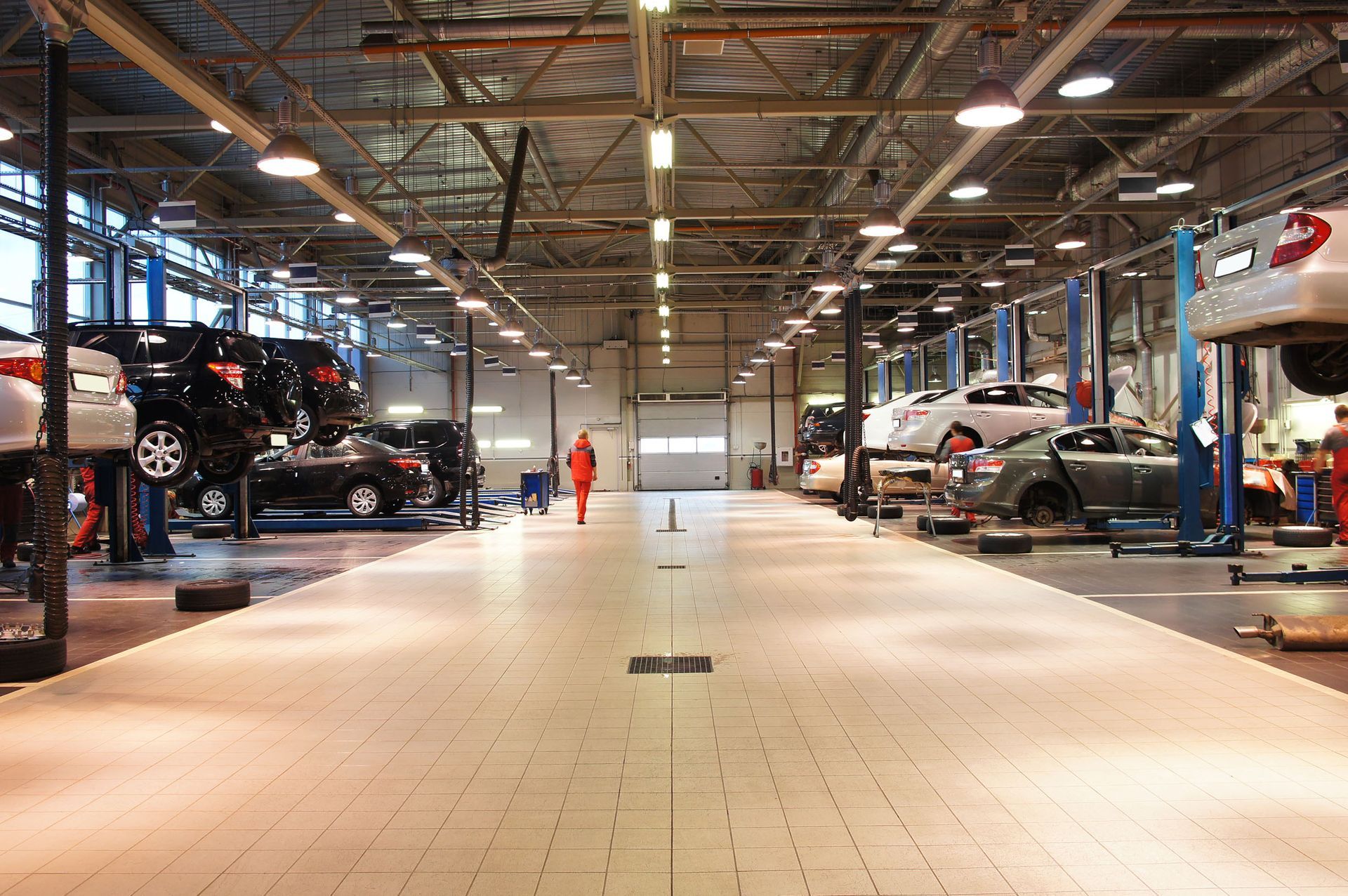
Navigating the challenging aftermath of a vehicular accident demands clear, informed decisions regarding scene management, insurance claims, and structural vehicle restoration. Prioritizing occupant safety, capturing thorough physical scene evidence, and understanding your absolute legal right to choose your own repair facility empowers you to protect your automotive asset effectively. Entrusting your vehicle to a certified shop that utilizes computerized measuring systems and factory-grade components guarantees that your car's aesthetic finish and structural crumple zones are restored to pristine condition. Investing in top-tier auto collision services preserves your vehicle's long-term resale value and provides total peace of mind when you return to the road. When you require an experienced team that seamlessly pairs master-level collision aesthetics with uncompromised safety engineering, look no further than the dedicated auto body professionals at Jeff's Northshore Auto Inc to restore your vehicle and protect your family on the journeys ahead.