September 29, 2026
In the world of vehicle maintenance and repair, auto body services play a critical role in ensuring cars are in optimal condition. Whether due to collisions or standard wear and tear, these services are crucial in keeping vehicles safe and visually appealing. This article explores various auto body services designed to restore vehicles and enhance their longevity on the road.
1. Collision Repair
A. Types of Damages
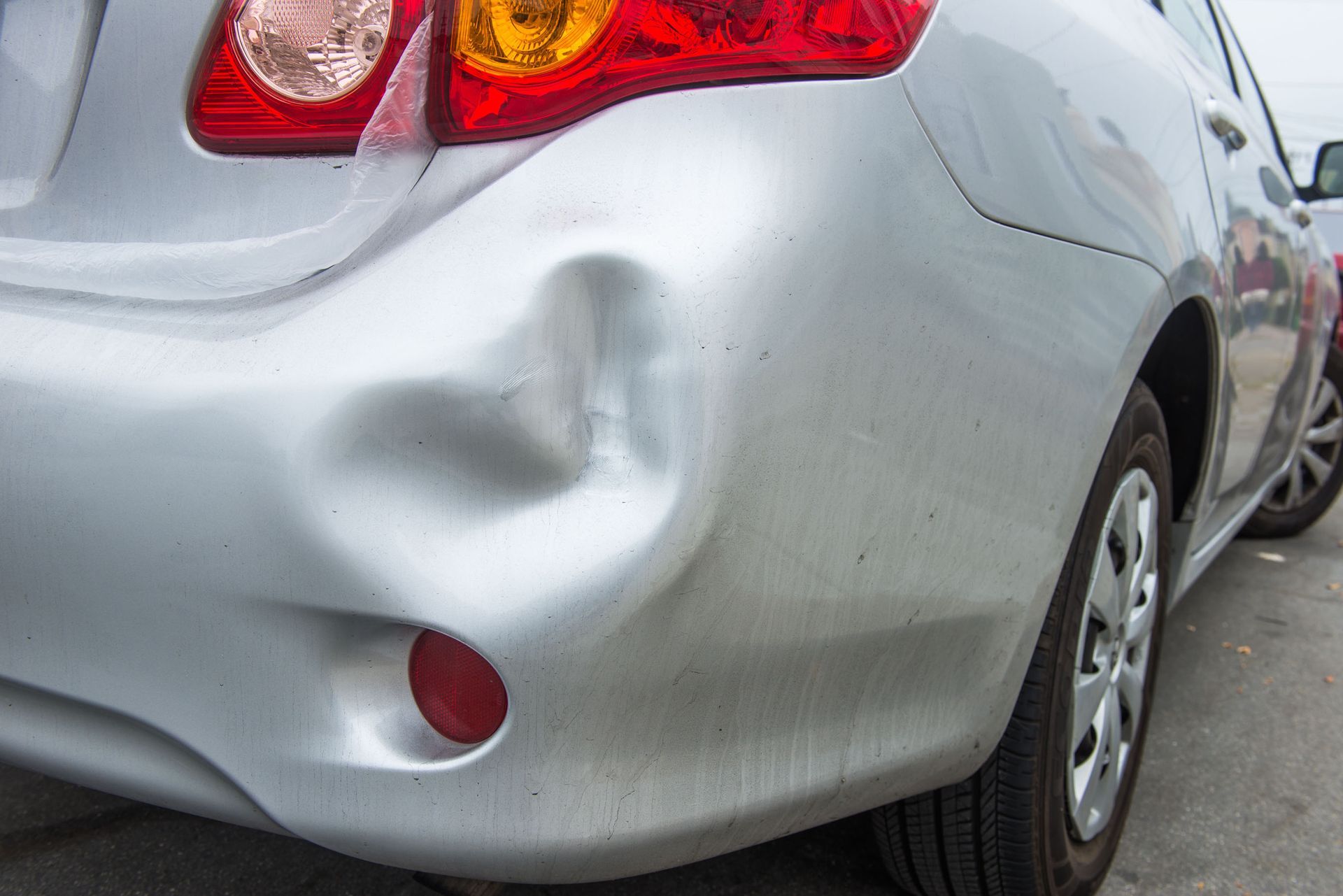
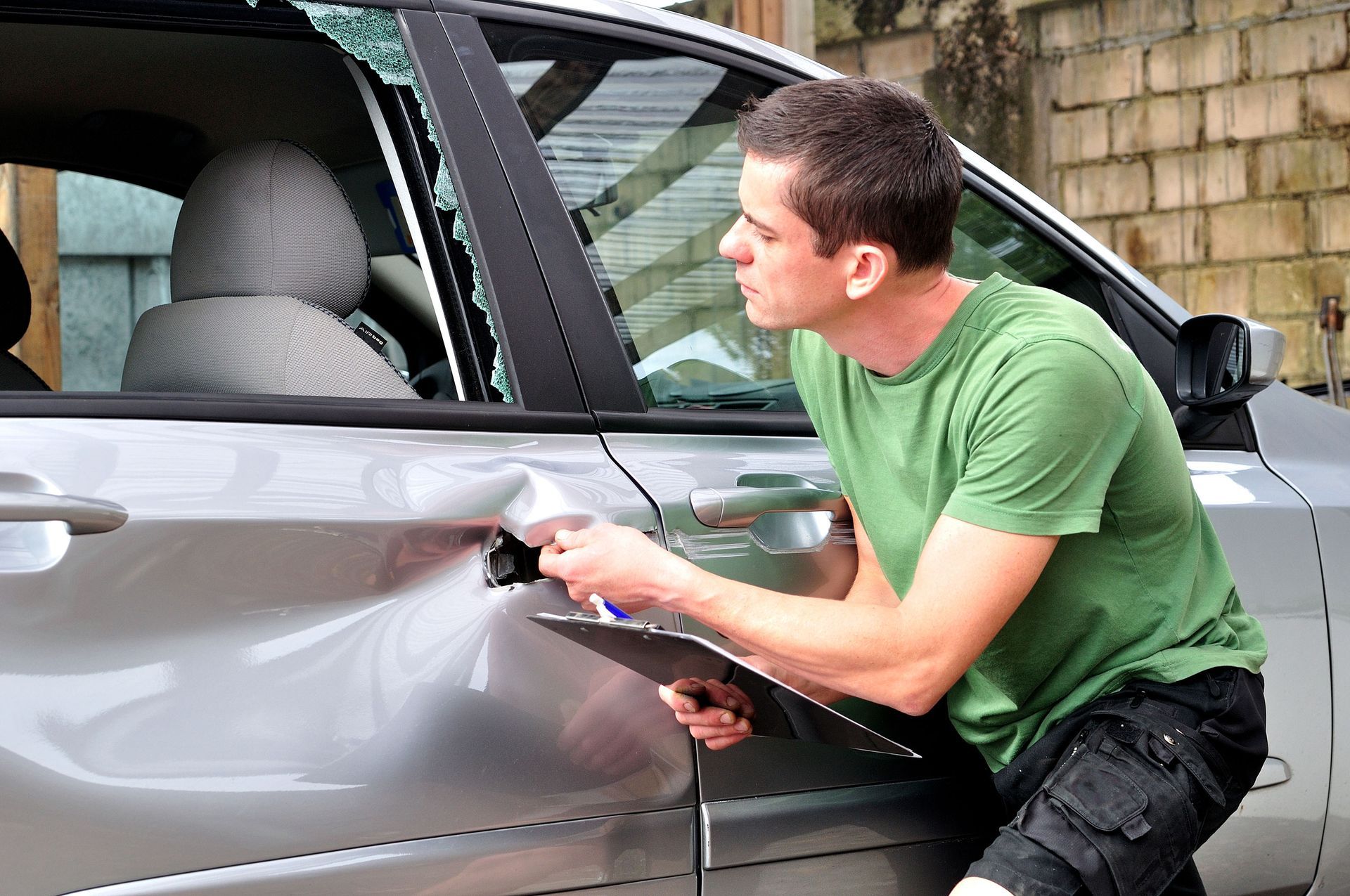
Collision repair is a critical service that addresses damage from accidents or impacts. These damages can range from minor dents and scratches to extensive structural impairments. Identifying the type and extent of damage is vital for determining the repair process. Technicians use various tools and techniques to assess vehicle damage accurately. By doing so, they ensure that every issue is addressed, restoring the vehicle to its original state.
Accurately diagnosing the damage type helps in selecting the correct repair methods. For instance, superficial paint scrapes may only require touch-ups, while deeper scratches could need more extensive interventions. Moreover, understanding the damage type helps in estimating costs and time needed for repairs. It also plays a role in determining whether parts need replacement or if repairs are feasible. Such careful assessment forms the backbone of effective collision repair.
The complexity of collision damages can vary significantly. Some damages are visible and easy to diagnose, while others might require sophisticated tools for identification. Hidden damages can pose significant threats to vehicle safety if left untreated. Thus, thorough inspection and use of diagnostic equipment are integral to identifying all issues. This comprehensive approach ensures that the vehicle is safe and functional post-repair.
B. Frame Straightening Techniques
When a vehicle is involved in a collision, the frame can be bent or distorted, impacting its safety and performance. Frame straightening is a process that involves restoring the car's structural integrity using specialized equipment. Technicians employ machines like frame racks and computerized measuring systems to correct any misalignments. This ensures that the vehicle not only looks good but also drives safely. Frame straightening is a precise task, requiring expertise and attention to detail.
Undertaking frame straightening involves several steps. Initially, a detailed diagnosis of the frame's condition is performed to determine the extent of distortion. Advanced equipment and techniques allow for exact measurements, ensuring precise alignment of the frame. Post-alignment, it's essential to verify that the corrections meet the manufacturer's specifications. The goal is to restore the frame to its previous condition, ensuring the car's safety on the road.
C. Dent Removal Methods
Dents are common issues car owners face, often resulting from minor accidents or hail damage. The approach to removing these imperfections depends on their size and location. Traditional methods involve sanding, filling, and repainting the affected area, which can be time-consuming and costly. However, modern techniques like Paintless Dent Repair (PDR) offer a quicker and less intrusive alternative. This technique is especially effective for minor dents where the paint remains intact.
Paintless Dent Repair has gained popularity due to its efficiency and cost-effectiveness. It involves carefully massaging the dent from the underside of the panel, ensuring the outer surface isn't damaged. PDR maintains the vehicle's original paint, preserving its value and aesthetics. Additionally, it's an eco-friendly option as it reduces the need for chemicals and new materials. This method is particularly beneficial for car dealers and owners looking to maintain their vehicle's pristine appearance.
Choosing the correct dent removal method is crucial for the best results. While PDR offers many advantages, it might not be suitable for all types of dents. Larger or deeper dents, particularly those with paint damage, may require traditional repair methods. Consulting with qualified professionals can help determine the most effective approach. Ultimately, the goal is to restore the vehicle's appearance while ensuring structural integrity.
2. Paintless Dent Repair (PDR)
A. Advantages of Paintless Dent Repair
Paintless Dent Repair (PDR) is a revolutionary method in the auto body repair sector, offering numerous benefits over traditional techniques. One of its primary advantages is cost savings. PDR is generally less labor-intensive and doesn't require the purchase of new paint or fillers, reducing overall costs. It's also a faster process, meaning car owners can get their vehicles back on the road more quickly. The cost-effectiveness and speed of PDR make it attractive to both customers and repair shops.
Environmental benefits also distinguish PDR from conventional methods. Since the process doesn't involve paint, fillers, or new parts, it significantly reduces the carbon footprint of repairs. This method is considered eco-friendly because it limits the use of harmful chemicals and materials that contribute to pollution. By choosing PDR, car owners actively reduce their environmental impact while benefiting from effective repairs. This balance of efficiency and responsibility represents a leap forward in sustainable auto repair practices.
Furthermore, PDR preserves the vehicle's original paint and value. Traditional dent repair often involves repainting, which, if not perfectly matched, can reduce the car's resale value. By avoiding new paintwork, PDR maintains the factory finish, keeping the car's appearance consistent and authentic. This preservation of original condition can have long-term financial benefits for car owners. Retaining the factory paint also ensures that the repair is invisible, maintaining the aesthetic appeal of the vehicle.
B. Suitable Conditions for PDR
While PDR offers many advantages, it's not universally applicable. Effective use of this method depends on certain conditions being met for optimal results. Dents suitable for PDR are typically small to medium-sized and don't have any paint damage. Common scenarios where PDR is applicable include door dings, minor creases, and the impact of hailstones. Evaluating these characteristics helps technicians determine the feasibility of PDR for each case.
The location of the dent on the vehicle also plays a critical role in determining the suitability of PDR. Dents on flat or otherwise accessible panels, such as doors and hoods, are ideal candidates for PDR. However, dents on the edges of panels or near vehicle framework may present challenges. These areas might require traditional dent repair techniques due to accessibility or structural considerations. Assessing the specific features of each dent is crucial for deciding the best repair approach.
Vehicle materials can also impact the applicability of PDR. Metal panels respond favorably to PDR techniques, allowing for easy manipulation back to their original shape. Conversely, dents on plastic components, like bumpers, may not be suitable for PDR due to different material characteristics. Technicians must evaluate the material composition when considering this repair method. By accurately gauging material compatibility, they can ensure the efficiency and success of PDR techniques.
C. Cost-Effectiveness of PDR
One of the standout benefits of Paintless Dent Repair is its cost-effectiveness, making it an appealing option for many car owners and insurers. The efficiency of PDR in terms of time and resources directly translates to lower costs compared to traditional methods. By eliminating the need for new paint, fillers, and extended labor hours, the expenses associated with conventional dent repair are significantly reduced. This allows customers to achieve high-quality repairs without breaking the bank.
The financial appeal of PDR also extends to insurance companies that often cover dent repair costs. When presented with the option between PDR and traditional repair methods, insurers generally favor the cheaper and quicker PDR. Insurance policies in North America, a region where passenger cars dominate the automotive collision repair market by 74.15%, according to Mordor Intelligence, often include PDR as a recommended choice for dent repairs. Such endorsements highlight the widespread recognition of PDR's economic advantages.
The cost benefits of PDR further encompass reduced material costs, contributing to overall affordability. Since PDR works with existing vehicle materials, there's minimal need for new parts or extensive paint supplies. This minimizes material outlay for both repair shops and customers while sustaining effective repairs. The technique's growing popularity stems from the balance it strikes between cost-effectiveness and quality, enhancing its reputation as a preferred solution for minor vehicle dents.
Auto body services cover a wide range of processes, from repairing minor dents to rebuilding significant structural damage. Understanding these processes is crucial for car owners aiming to keep their vehicles in the best possible condition. If your vehicle needs
auto body services, reach out to Jeff's Northshore Auto today!